

What is MCP (Model Context Protocol)? The New Standard Connecting AI to Everything in 2026
Everyone is talking about MCP, but what is it actually? Here is what MCP means, how MCP servers work, and why Model Context Protocol matters for AI developers in 2026.
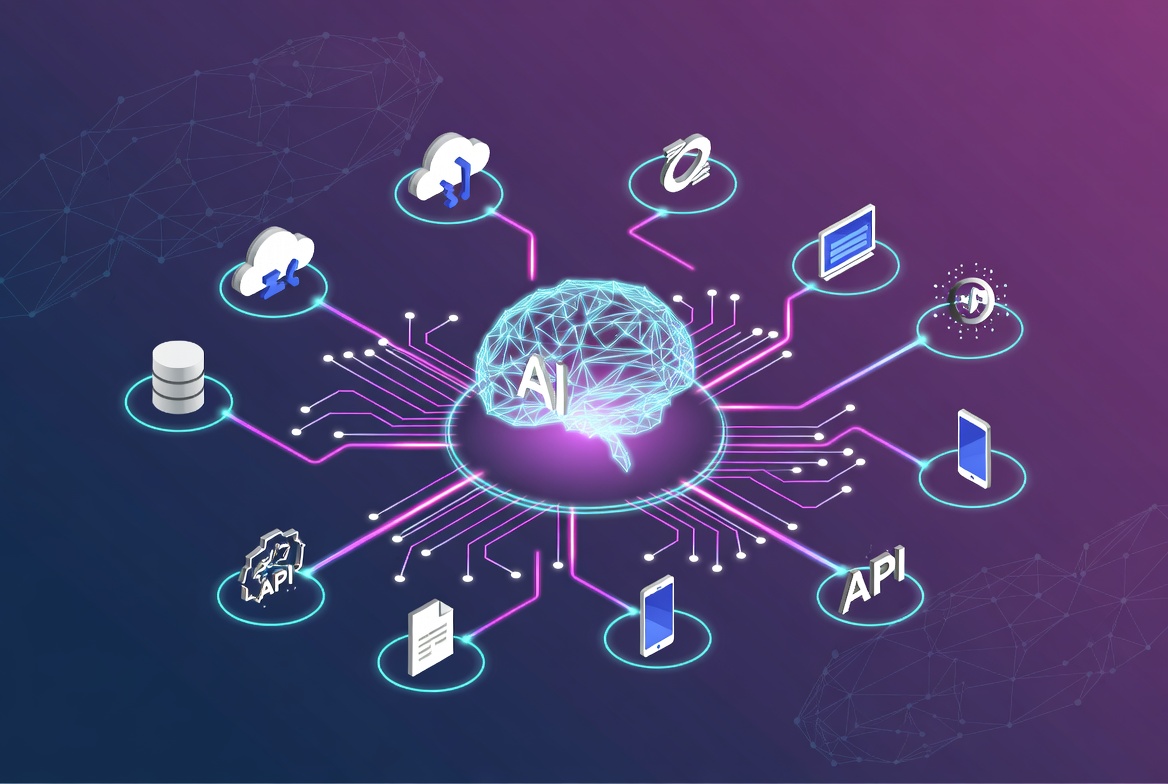
What is MCP (Model Context Protocol)? The New Standard Connecting AI to Everything in 2026
If you have been following AI development lately, you have probably heard the term MCP everywhere. But what is MCP, and why does everyone care? Is it just another protocol, or is it actually changing how AI works?
I have been testing MCP servers for the past six months while building AI-powered Next.js apps. Here is what MCP actually means, how it works, and why it matters for developers in 2026.
What Is MCP? (The Short Answer)
MCP stands for Model Context Protocol. It is an open standard created by Anthropic (the company behind Claude) that gives AI agents a consistent way to connect with tools, services, and data—no matter where they live or how they are built.
Think of it like USB-C for AI. Just as USB-C lets you connect any device to any peripheral with one universal port, MCP lets any AI model connect to any data source with one standard protocol.
MCP Full Form
MCP = Model Context Protocol
MCP Meaning
The MCP meaning is simple: it is a protocol that standardizes how AI models provide context to external data sources and tools. It is not about replacing APIs—it is about wrapping them with a layer that AI can understand and use automatically.
What Is an MCP in AI?
In AI, MCP is the glue between AI models and external data. It allows AI agents to:
- Query databases directly
- Access files and documents
- Use third-party tools (like Slack, GitHub, or SaaS apps)
- Get real-time information from APIs
- Execute actions in external systems
Without MCP, AI models need custom code for each connection. With MCP, they use one standard protocol to connect to everything.
What Are MCPs in LLMs?
In LLMs (Large Language Models), MCPs are the connections that let models access external context. When an LLM uses MCP:
- The LLM (client) connects to an MCP server
- The MCP server exposes tools and data
- The LLM can query and use those tools automatically
- No custom code needed for each connection
MCP turns LLMs from "chatbots that guess" into "agents that can actually do things."
How MCP Works (The Architecture)
MCP has three core components:
1. MCP Client
The AI application that interfaces with the LLM. This is where you would use Claude, Cursor, or another AI tool.
2. MCP Server
The data provider that exposes data and functionality. This could be a local file system, a database, a SaaS API, or a cloud service.
3. Tools
Functions that appear within the MCP client and allow the LLM to take specific actions (like reading files, querying databases, or calling APIs).
MCP vs API: What is the Difference?
This is the question everyone asks. Let us be clear: MCP is not replacing APIs. MCP wraps APIs with a standardized layer that AI can use automatically.
MCP vs API Comparison
| Feature | API | MCP |
|---|---|---|
| Purpose | Communication between systems | Communication between AI and data |
| How it works | Fixed endpoints | Contextual requests |
| Who uses it | Applications | AI agents |
| Setup | Custom code for each connection | One standard connection |
| Flexibility | Static | Dynamic |
| AI-friendly | No (requires custom integration) | Yes (automatic discovery) |
Key Differences Explained
APIs are built for communication between static systems. You tell an API exactly what to fetch and how to format it.
MCP servers are built for communication between AI agents and data sources. Instead of being told exactly what to fetch, AI systems can ask for data based on intent.
Think of it this way:
- API: "GET /users/123" (exact endpoint, exact response)
- MCP: "I need information about user 123" (AI discovers how to get it)
MCP is Like USB-C for AI
Just as USB-C provides a universal way to connect any device to any peripheral, MCP provides a universal way to connect AI models to any external service. One standard connection replaces dozens of custom cables.
What Is an MCP Server?
An MCP server is a service that exposes data and functionality to AI models. It is the "provider" side of MCP.
MCP Server Examples
- Local file system MCP server: Let AI read files on your computer
- Database MCP server: Let AI query SQL/NoSQL databases
- Slack MCP server: Let AI read/write Slack messages
- GitHub MCP server: Let AI access repos and PRs
- Google Drive MCP server: Let AI read files from Drive
- Custom API MCP server: Wrap any API with MCP
Are MCP Servers Free?
Yes and no:
- The MCP protocol itself is free (open source)
- Many MCP servers are free (community-built, open source)
- Some MCP servers cost money (hosted by third-party providers)
For example:
- Local file system MCP: Free
- GitHub MCP server: Free
- Slack MCP server: Free (but Slack itself may cost)
- Hosted MCP servers: May have usage fees
The MCP Server Directory on most platforms is free to browse. But check each server page for specific pricing.
MCP AI: How AI Uses MCP
When AI uses MCP, it becomes an agent that can actually interact with the world instead of just chatting.
MCP AI Capabilities
- Query databases: AI can ask "show me users from last week"
- Read files: AI can access your documents and code
- Use tools: AI can send Slack messages, create GitHub PRs
- Get real-time data: AI can fetch current information from APIs
- Execute actions: AI can perform tasks in external systems
Example: MCP AI in Action
Without MCP
You: "Can you check my GitHub repo for recent PRs?"
AI: "I cant access your GitHub repositories unless you provide the repository information or connect a tool that gives me access."
With MCP
You: "Can you check my GitHub repo for recent PRs?"
AI: Uses an MCP-connected GitHub server to access authorized repository data.
AI: "I found 3 recent pull requests:
- Fix login bug
- Add dark mode
- Update documentation"
MCP Claude: How Claude Uses MCP
Claude is one of the first AI models built with native MCP support. When you use Claude with MCP:
- Claude connects to MCP servers you configure
- Claude can use tools exposed by those servers
- Claude understands context from external data sources
- No custom code needed for each integration
MCP Claude Features
- Natural tool discovery: Claude finds tools automatically
- Context from data: Claude reads files, databases, APIs
- Action execution: Claude can send messages, create PRs
- Secure connections: MCP uses authenticated servers
If you are using Claude for development, MCP makes it way more powerful.
MCP Agent: What It Does
An MCP agent is an AI agent that uses MCP to interact with external systems. Instead of just chatting, MCP agents can:
- Read files from your computer
- Query databases
- Use third-party APIs
- Execute actions in external tools
- Get real-time information
MCP Agent Examples
- Coding agent: Reads your codebase, suggests fixes, creates PRs
- Research agent: Queries databases, fetches APIs, summarizes results
- Automation agent: Sends Slack messages, creates tickets, updates docs
- Data agent: Analyzes databases, generates reports, creates visualizations
MCP Certification: Is There One?
No, there is no official MCP certification yet. MCP is an open standard, and anyone can build MCP servers or clients.
What You Can Learn Instead
- MCP documentation: Official guides from Anthropic
- Build MCP servers: Learn by creating your own
- MCP communities: Reddit, Discord, GitHub discussions
- Tutorial videos: YouTube has MCP tutorials
There might be certifications later, but for now, MCP skills are learned through practice, not courses.
Why MCP Matters in 2026
MCP is important because it solves a real problem: AI needs a standard way to connect to data.
Before MCP
- Custom code for each API integration
- Hard to switch between data sources
- AI models cannot access external context easily
- Each tool needs its own integration
With MCP
- One standard protocol for everything
- Easy to switch between data sources
- AI models access context automatically
- Reusable MCP servers
MCP is the future of AI agents that actually work with your data instead of just chatting.
How to Start Using MCP
Step 1: Pick an MCP-aware AI Tool
- Claude: Native MCP support
- Cursor: MCP integration
- Other AI tools: Check for MCP support
Step 2: Install an MCP Server
- Local file system MCP: For reading files
- GitHub MCP: For repo access
- Slack MCP: For messaging
- Database MCP: For queries
Step 3: Configure MCP in Your AI Tool
- Add MCP server to your AI configuration
- Authenticate if needed
- Test the connection
Step 4: Start Using MCP
- Ask your AI to read files
- Query databases
- Use external tools
- Get real-time data
My MCP Setup (What I Actually Use)
Here is what I have configured for my daily workflow:
| MCP Server | What It Does |
|---|---|
| Local File System | Read code and docs from my computer |
| GitHub MCP | Access repos, PRs, issues |
| Slack MCP | Send/receive Slack messages |
| Database MCP | Query PostgreSQL databases |
| Google Drive MCP | Read files from Drive |
I use Claude as my MCP client, and these servers give it access to everything I need.
MCP Servers to Explore
If you want to try MCP servers, here are popular ones:
- Local file system MCP: Essential for reading code
- GitHub MCP: For repo access
- Slack MCP: For team communication
- PostgreSQL MCP: For database queries
- Google Drive MCP: For document access
- Notion MCP: For knowledge bases
- Stripe MCP: For payment data
- Custom API MCP: Wrap any API
You can find more MCP servers in the MCP Server Directory on mcpserver.shop or mcp-servers-hub.net.
Final Thoughts: Is MCP Worth It?
Yes, if you are building AI-powered apps.
MCP is legitimate for:
- Connecting AI to external data
- Building AI agents that do real work
- Reducing custom integration code
- Standardizing AI-tool connections
But it is not for:
- Simple chatbots that do not need data
- Projects with no AI agents
- Teams not using MCP-aware tools
The best developers in 2026 will use MCP for AI integrations. Start with Claude + MCP servers, experiment, and build your workflow.
This post is part of the NeuralChooser AI directory. Browse MCP servers and AI tools, filter by pricing and API availability, and find the right tools for your next project.
Related Posts
Related Articles

Vibe Coding in 2026: What It Is, Best Tools, and Is It Actually Legit?
Everyone is talking about vibe coding, but what is it actually? Here's what vibe coding means, which tools work in 2026, and whether it's legitimate for real development.
Loop Engineering in 2026: What It Is, Why It Matters, and How to Build Loops Right
Loop engineering is the practice of designing iterative workflows where AI systems learn and improve over time. Here is what loop engineering means, why it matters for developers in 2026, and how to build effective loops.

What Is a Forward Deployed Engineer? Roles, Responsibilities, and Why It Matters
Explore the role of a Forward Deployed Engineer (FDE), its origins at Stripe, and how it bridges the gap between customers and engineering teams.